


🍷 The Hard Truth About Owning a Small Winery
There is an old joke that asks the question “Do you know how to make a small fortune with a winery?” And the answer is “Start with a big one.” It’s a joke every vintner knows, and it’s funny because there’s a strong grain of truth to it. Running a 15‑acre winery like Potter Settlement Artisan Wines is not a romantic stroll through the vineyard. It’s a relentless cycle of work, risk, and regulation — and every bottle represents years of sweat, risk, and resilience.
🌦️ Grapes Don’t Wait
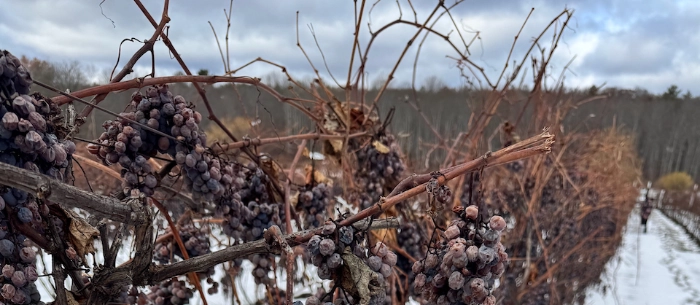
To make wine, you first have to grow grapes. That means pruning in the cold, spraying in the heat, and harvesting when Mother Nature says it’s time. Grapes don’t care if you’re sick, tired, or busy — if the weather demands action, you act. Miss the window, and the crop is gone.
“One October morning, the skies opened up just as the grapes hit peak ripeness. We picked for twelve hours in soaked boots, knowing if we waited even a day, the crop would be ruined. Another year, at 4 a.m., I was out in the vines lighting smudge pots to fight off a sudden frost. By sunrise, my hands were numb, but the grapes were saved.”
🍷 The Long Road to Wine
Harvesting is just the beginning. Fermentation, racking, aging, and constant monitoring follow. Some steps take weeks, others take years. Wine is alive, and it demands continuous attention. One mistake, one missed check, and months of work can be ruined.
“Fermentation doesn’t care about bedtime. At 2 a.m., I’ve been in the cellar, flashlight in hand, checking temperatures and listening to the hiss of CO₂ escaping the barrels. After bottling 500 bottles in a day, the corker jammed. We wrestled with it for an hour, knowing every delay meant another late night.”
📦 From Barrel to Bottle
Once the wine is ready, the work continues. The batch has to be bottled. Labels must be designed and applied to the bottles. The bottles must be corked. Then there is boxing and shipping. There is promotion and selling. I am here seven days a week for tastings to build relationships and sell directly.
“Before a holiday shipment, I stacked cases until my back ached. Each box was taped by hand, each label applied one at a time. On a Saturday afternoon, I poured samples for a bus tour. Half the group loved the wine, half just wanted a selfie. Every pour was a chance to win a new customer.”
Erin bottling our multi-award winning Portage
🏛️ The Government’s Heavy Hand
And then there’s regulation. Canadian wineries are monitored closely: how much you harvest, how much wine you produce, how it’s labeled, how it’s sold. On top of that, taxation is punishing.
Until 2022, Canadian wineries enjoyed an excise tax exemption. That exemption was removed, meaning domestic producers now pay federal excise duty on every litre of wine they make. Imported wines, however, often enter under trade agreements with lower tariffs or provincial mark‑ups. The result? A Canadian wine sold in Canada is taxed more heavily than a foreign wine on the same shelf.
“After a week in the vineyard, I’ve sat down to fill out government forms detailing exactly how many litres I produced. The irony? I spent more time on paperwork than pruning. Selling a bottle in my own tasting room, I knew more of that sale went to taxes than stayed with the winery.”
💡 Why We Keep Going
So why do it? Because wine is more than a product. It’s culture, heritage, and craft. At Potter Settlement, every bottle tells the story of our land, our family, and our fight to keep Canadian wine alive despite the odds.
Owning a small winery is not glamorous. It’s exhausting, expensive, and often unfair. But when you pour a glass of Potter Settlement wine, you taste more than grapes. You taste resilience, passion, and the stubborn belief that Canadian wine deserves its place at the table — even if the taxman takes the first sip…and the second….and the third.
0 Comments